Design Your System
Spectrometer
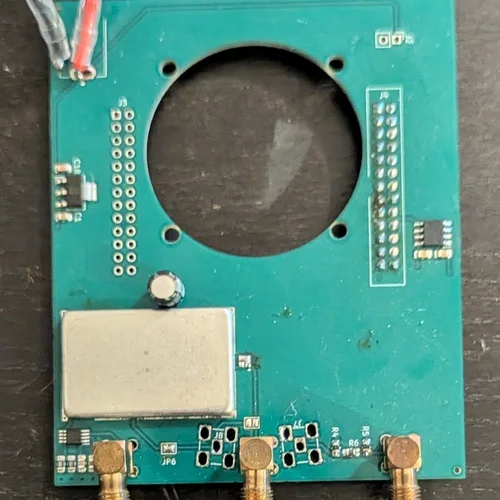
Configure with an ACME Red Pitaya based spectrometer and start pulsing from DC to 60 MHz. Configure as-is or add an additional low pass filter for the preamplifier for better filtering.
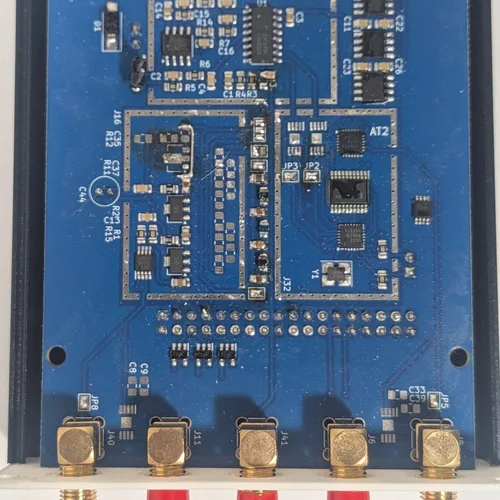
Try out the Open-Source Arduino based spectrometer for a more affordable option. The spectrometer comes with 2 output and 2x input SMA ports with quadrature mixing down to 4 MHz. Either build one yourself, or purchase a prepopulated board. Check out the GitHub for more information: github.com/SoukeyCircuits/ArduinoNMR
Amplifier
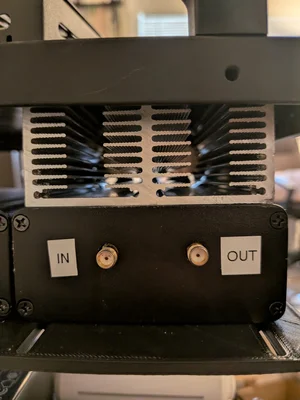
Power up your pulses with a wideband power amplifier kit rated for 100 W from 1.8–30 MHz (about 50 W at 60 MHz). Filtering for FCC compliance is REQUIRED before connecting to any antenna.
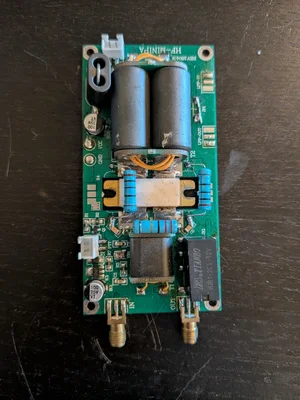
Alternatively, you can build your own amplifier using Chinese sourced parts and homemade filters. I have tested a few of these with varying degrees of success. Overall they need some kind of gating due to high amplifier noise. I also have future builds for 10W and 100W FCC certified power amplifiers in my design queue. Sign up for notifications to stay up to date on the design progress.
Magnet
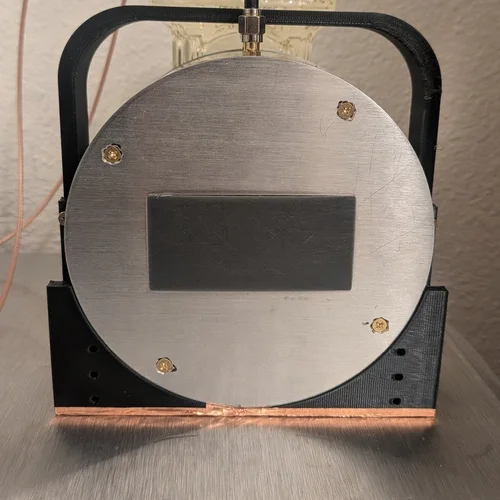
Use an ACME Double-Barrel magnet for multi sample analysis. Set a standard on one side for instant frequency lock while the other side measures your analyte. Single (double) sided magnet design sets the sweet spot outside of the magnet allowing for measurements inside of sealed containers without opening the sample.
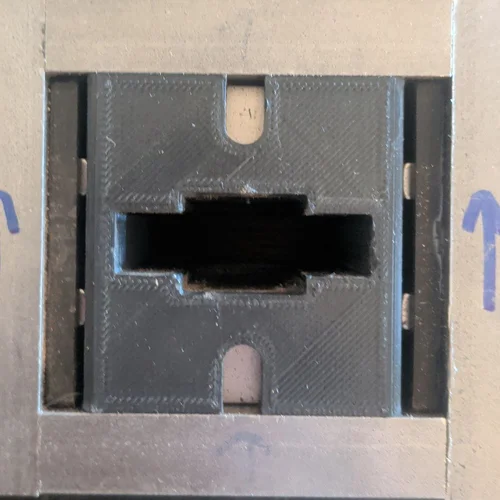
Build your own magnet using an open-source design. This magnet (via HardwareX, not affiliated) has been validated with both the Arduino and Red Pitaya based spectrometers.